
Football (soccer) streaming guide: official broadcasters by region + how to choose
A good football streaming guide does two jobs at once. It helps fans find the right app for the match they want, and it keeps them away from sketchy streams that ruin game night with pop-ups, low quality, or sudden shutdowns. That second part matters more than people think, because football rights are sold territory by territory. The same league can be on one service in one country and a totally different service across the border. So when someone searches football streaming tv guide or live football stream channel guide, what they really need is a clear way to match their region to the official broadcaster, then build a simple viewing setup they can rely on every week.
This football streaming guide focuses on soccer, not American football. A lot of search phrases online mix both, like What NFL games are streaming today, but this guide sticks to the global game: domestic leagues, UEFA nights, and major club competitions. It also keeps the conversation practical, because fans don’t just want names of services. They want to know which plan to pick, how to avoid surprises, what quality to expect, and what to do when a match seems “missing” even though they paid.
What “official broadcaster” means and why it changes everything
In football, broadcast rights are licensed. Leagues and federations sell permission to show matches in a specific territory. That permission covers live games, replays, highlights, and sometimes clips on social platforms. It also ties into trademarks: league names, club crests, sponsor marks, and the look of the broadcast itself. That is why official streams can show licensed graphics and branding while unofficial sites often look stripped down, delayed, or constantly reloaded.
Choosing official options also protects the viewer’s devices and accounts. Many searches like Live football streaming free lead to sites that push aggressive ads, fake play buttons, forced notifications, or risky downloads. Even when a stream loads, the quality can swing wildly, and the match can cut off during a penalty or stoppage-time chance. A live football streaming guide should make it easier to stay on the legitimate side of the line, not because of legal talk, but because the experience is simply better and more stable.
A quick way to pick the right plan before checking broadcasters
Before diving into regions, it helps to decide what “right” means for your household. In a practical football streaming guide, these are the decisions that save money and frustration later.
The first is the competition list. Many people say “I want football,” then discover their plan only covers one league. Some plans cover a domestic league but not UEFA competitions. Some cover highlights but not live games. Writing down the actual competitions you care about keeps the search focused.
The second is the viewing style. Some fans watch every weekend. Others only tune in for one club, derby days, and knockout rounds. This matters because monthly plans can be cheaper for seasonal viewing, while annual plans can make sense for year-round fans.
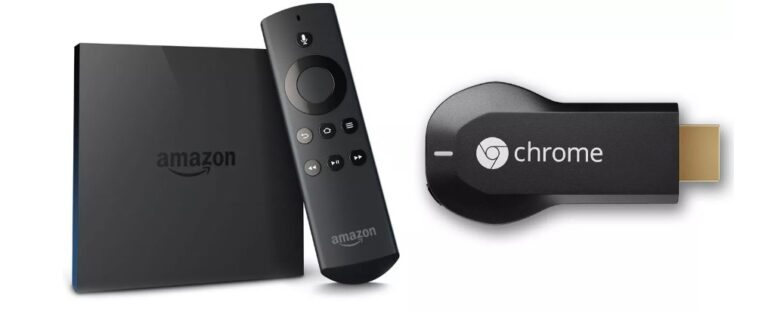
The third is the setup. A smart TV app is easiest, but a streaming stick can be smoother and gets more frequent updates. A projector setup may need casting or a box with solid Wi-Fi. A household that watches in multiple rooms may need a plan that supports more than one stream at a time.
Once those three are clear, the “official broadcaster” step becomes simple.
How to confirm official broadcasters without getting lost in search results
The most reliable method is to start with each competition’s “where to watch” information. Major leagues and tournaments publish broadcaster lists by territory, and these pages tend to stay more current than random blogs. In general, the safest approach is to check the league or tournament first, confirm the official partner for your country, then compare plans inside that partner’s app or website.
This pattern repeats across leagues. When a fan uses official sources as the starting point, it cuts out a lot of noise and reduces the risk of following outdated information.
Official broadcasters by region
This section is the “official broadcasters by region” part of the football streaming guide. Rights still vary by competition, so think of this as a map that points you toward the right door, then the competition’s “where to watch” information confirms the final answer for your country.
United Kingdom and Ireland
The UK and Ireland have a dense mix of rights because multiple competitions overlap on the calendar. UEFA club nights have their own partners, domestic leagues have theirs, and cups can sit elsewhere. The easiest way to stay organized is to build a personal live football streaming tv guide by competition. One app might cover a Champions League match, another might cover domestic league games, and highlights could land on yet another service. That sounds messy, but it becomes easy once you know which competition lives where.
A useful habit is to decide whether the priority is the domestic league, European nights, or cup matches. That choice helps fans avoid overpaying for subscriptions they rarely use.
United States and Canada
In North America, the best approach is competition-first. UEFA nights, European domestic leagues, and local leagues can be split across separate platforms. The most reliable move is to confirm official partners by territory for each competition, then choose subscriptions based on what you actually watch.
For Major League Soccer, the viewing model is unusually straightforward compared with many other competitions because MLS is distributed through a dedicated season offering inside the Apple TV app environment. This matters for budgeting because it changes how a fan plans the season and whether they want a monthly or seasonal purchase.
One more detail worth knowing is that distribution models can change over time. When a league changes how it sells access, it can affect how long a fan wants to commit to a plan.
Europe outside the UK and Ireland
In much of Europe, the official broadcaster story is still competition-based. The same competition can be carried by different partners in neighboring countries, and that difference can surprise people who travel or move. Domestic leagues and UEFA competitions often sit with different platforms, so it helps to treat them as separate decisions rather than expecting one subscription to cover everything.
For fans who move between countries in Europe, it is important to confirm rights in the new location, because even familiar brands may carry different match windows depending on territory.
Middle East and North Africa
In MENA, football rights often sit with large regional sports networks. The simplest method is still to confirm official partners through each competition’s territory-based listings. For viewers in this region, it helps to think in layers. Domestic league rights from Europe are one layer, UEFA club nights another, and local leagues or national team competitions another.
A good football stream tv guide for MENA fans is a short list of “which app for which competition,” not a single “one service covers all” assumption. Once that list is built, it becomes much easier to follow weekly schedules without scrambling.
South Asia
South Asia is one of the regions where fans often rely on phone-first viewing. That makes app quality, data usage, and casting support feel just as important as rights ownership. It also means pricing and mobile network stability play a bigger role in the experience than many fans expect.
A practical tip in any football streaming guide for South Asia is to check whether a plan includes live matches or only studio content and highlights. Some bundles market themselves like “sports” plans but only carry limited match windows. For fans who care about specific clubs, it helps to confirm that the subscription actually includes those live games.
Southeast Asia and East Asia
In East and Southeast Asia, rights can change hands country by country even within the same sub-region, so territory-based confirmation remains the quickest way to verify the correct partner. This is also where fans often search terms like Live Football TV Streaming HD or Live football match now, especially when trying to find a match quickly.
The fastest lawful route is to know the official partner in your territory, have the app installed, and keep your subscription active during the part of the season you watch most. If the season is the main focus, a monthly plan might work. If the viewing habit lasts all year, annual pricing may be better.
Oceania
In Australia and New Zealand, football rights can be split between domestic league coverage, UEFA coverage, and European league coverage. The safest way to avoid confusion is to treat each competition as its own decision and confirm the official broadcaster for the country rather than assuming the same service carries everything.
Sub-Saharan Africa
Sub-Saharan Africa also follows the same logic, with large regional rights holders often carrying multiple competitions, then some domestic leagues and cups handled separately. Many fans in this region use a combination of live coverage and highlight access depending on what is available in their territory.
Latin America and the Caribbean
Latin America often has a strong tradition of football coverage, with rights split across major sports networks and local broadcasters. The best habit is the same: confirm the official partner for your territory and competition, then choose subscriptions based on what you watch most often.
A competition-first mini guide fans can reuse all season
A useful football streaming guide doesn’t just list regions. It also gives a repeatable way to answer “where do I watch this match?” every week. A competition-first approach is the easiest way to stay consistent.
For domestic leagues, official territory listings help confirm which broadcaster carries live matches in your country. For UEFA competitions, official partner listings help confirm who has the rights for European nights. For MLS, distribution runs through a structured model inside the Apple TV app environment, which makes it a separate decision from most European leagues.
Once a fan has confirmed the official partner for each competition, the weekly routine becomes far simpler. You stop searching every match day and start opening the correct app first.
How to choose when multiple official options exist in one region
Sometimes the official answer isn’t just one service. A territory may have one partner for the main broadcast, another for selected matches, and another for highlights. A football streaming guide should help fans pick the simplest setup for their habits.
A fan who watches one club every week should prioritize a plan that consistently carries that club’s matches, not just a featured game slot. A fan who mainly watches big UEFA nights should focus on European competition coverage, then add a domestic league plan only if it fits the budget.
Language also matters. Many services offer multiple commentary tracks, but not all. If the household cares about Arabic, Spanish, French, or regional languages, it can be worth choosing a partner that matches the preferred commentary instead of juggling two apps.
Replay policy is another important filter. Some services offer full-match replays quickly, others delay them, and some only provide short highlights. For fans in awkward time zones, replays matter almost as much as live access.
Building your own matchday “channel guide” without overthinking it
A lot of people search live stream football tv guide because they want a single place that tells them what’s on. Most streaming apps now have some version of this inside the interface, but it’s still helpful to build a personal guide.
It starts with a weekly routine. Weekend mornings might be one league, afternoons another, evenings another. Midweek might be European nights. Once that routine is clear, you can open the right app first instead of bouncing around.
Notifications help too. Most official apps let users follow a club or competition and receive match alerts. That reduces the “where is the match?” scramble.
For households that share the TV, having a streaming device with reliable app switching can be the difference between calm viewing and constant menu drama. A stable setup makes the football streaming guide feel real, not theoretical.
Streaming quality: what “HD” and “smooth” really depend on
Fans often type Live Football TV Streaming HD because they assume HD is just a subscription tier. In reality, picture quality depends on three layers: the broadcaster’s feed, the app’s encoding, and the home connection.
A wired connection reduces random drops. A crowded Wi-Fi environment can cause stutters even on a fast internet plan. If the stream looks soft or keeps buffering, lowering the resolution for a minute can stabilize playback, then it can be raised again once the connection calms down.
Time zones also shape quality perception. In some regions, big matches land in peak internet hours when everyone is streaming something. That “internet rush hour” can cause buffering even when the service itself is fine.
A good live football streams guide also reminds fans to keep their apps updated. Sports apps change rapidly during a season, and older versions can crash or fail to load match tiles.
What to do about “free” football streaming searches without going off track
Search phrases like Sport 808 live streaming, 808 ball football live, Live football games today free, and Live football streaming free show up because fans are trying to watch a match quickly. A realistic football streaming guide can acknowledge those searches without pushing people toward risky sources.
The safer alternatives usually fall into a few patterns: official highlights, radio commentary, free-to-air matches in certain territories, limited free match windows, or short-term trials that are offered legally. The availability of these options depends on the region and the competition rights model, so the best move is still to confirm official coverage in your territory, then check whether the broadcaster offers any free access for select matches.
Final Thoughts
A strong football streaming guide starts with one rule: rights are local. That is why the same match can be on different services in different countries. The cleanest way to stay accurate is to use official “where to watch” information from the competitions you follow.
After that, choosing becomes personal. The best plan is the one that matches the competitions you watch, the months you watch, the language you like, and the devices in your home. When those parts line up, the matchday routine becomes simple: open the right app, hit play, and enjoy the game without buffering stress or last-minute searching.