Why sports rights keep moving between platforms—and what it means for viewers
The average sports fan used to learn one habit and repeat it for years. A match was on a familiar channel, the pregame show started at a predictable time, and the only real decision was whether to watch at home or head out with friends. That model has been fading fast. Now the same fan has to keep track of apps, subscription tiers, login limits, and which platform owns the match window this season. That shift is the reason the phrase sports rights moving between platforms has become a normal part of how people talk about sports viewing. It is also why viewers keep asking the same question: why do these rights keep bouncing around, and why does it feel like it gets harder every year?
This movement is not random. It is a direct result of how broadcasting rights in sports are sold, renewed, bundled, and re-bundled. Rights are temporary licenses. They expire. They get renegotiated. They get sliced into smaller packages. They get sold to the highest bidder, or to the bidder offering the most strategic partnership. When that happens, the place where fans watch sports shifts, and viewers are forced to adapt even if they did nothing wrong.
This article explains why sports rights keep moving, why the pattern intensified after major shifts in streaming strategy, how sports media rights and streaming changed the market, why certain years like sports rights moving between platforms 2021 became reference points, and what it means for the everyday viewer who just wants to watch games without paying for three different services.
The foundation: what “rights” really mean and why they are always temporary
A sports broadcast is not just a video feed. It is a bundle of permissions. Those permissions include the right to show the match live, the right to distribute replays, the right to package highlights, the right to run studio shows, and sometimes the right to distribute short clips. Even details that feel small—graphics, league marks, club crests, and branded broadcast presentation—sit inside legal and commercial boundaries. These are not permanent assets that a channel “owns.” They are rented.
That rental model is the first reason sports rights moving between platforms never stops. When the rental period ends, the property returns to the seller, and the seller runs a new process. The new process invites bids. Every bid is shaped by business strategy, advertising potential, subscriber targets, and regional growth plans. Even when fans love the current broadcaster, loyalty does not guarantee renewal if another bidder offers more money or a better distribution plan.
This is why the same league may appear on different platforms across different cycles. The rights are not anchored to one channel in the way viewers sometimes expect. They are anchored to contracts.
Why rights became the biggest lever in the streaming era
Sports holds a unique place in entertainment because it is one of the few categories that people insist on watching live. Scripted entertainment can be watched later. Sports often cannot. That “must-watch-now” behavior is valuable in two ways: it reduces cancellations and it creates predictable weekly attention.
Streaming platforms learned quickly that sports can turn an app into a habit. If a platform owns a weekly match window, viewers return every week. That regular return is valuable not only for subscription revenue but also for advertising and cross-promotion. A platform can place other content in front of sports viewers and create viewing loops that extend beyond the match itself.
This is a major reason sports rights deals have become larger and more aggressive. Sports is no longer treated as a nice addition to a TV package. It is treated as a growth engine. A company may spend heavily on rights not just to “have sports,” but to pull viewers into an ecosystem where they will stay for other content, services, or shopping benefits.
This ecosystem logic is one of the strongest forces behind sports rights moving between platforms. Rights follow the most motivated strategy. When strategy changes, rights move again.
The split-rights strategy: why coverage gets divided and why it frustrates fans
Many viewers remember when a single sports package felt complete. Today, fans often feel forced into stacking services because competitions are divided across multiple outlets. This is not an accident. Splitting rights can increase total revenue.
A league can sell one premium package—often the most attractive match window—to one platform at a high price, then sell another package to another platform, then sell a separate package for highlights, and sometimes a separate package for digital clips. Each buyer values a different slice of the schedule. When the league sells slices instead of a single block, it can generate more total money than a single exclusive deal.
For leagues, splitting can also protect reach. If one platform has a strong audience in one demographic and another platform dominates another, splitting can broaden exposure. From the league’s perspective, this can support growth. From the viewer’s perspective, it feels like paying multiple times for access to one sport.
This is why the conversation around sports streaming market size exists in the first place. Fans sense that the system is designed to expand revenue across platforms rather than maximize simplicity for viewers. As streaming competition intensifies, splitting becomes more common, and fans feel the complexity even more.
Why football rights often move faster and cause bigger reactions
The keyword phrase sports rights moving between platforms football points to a reality that football rights often generate the loudest reaction when they shift. Football has huge audiences, constant weekly demand, and global interest. Because it carries such value, it attracts constant competition among platforms.
Football also suffers from overlapping competitions. Domestic leagues, cups, European competitions, and international fixtures can all sit in different places. Even when a fan subscribes for one league, they may still miss key matches because other competitions live elsewhere. That is not a “coverage mistake.” It is the structure of the rights market.
Football is also a category where delay matters. Fans want to see goals in real time, not after social media has already spoiled the score. This makes viewers more sensitive to platform shifts, app quality, stream stability, and how easily they can find the game. When football rights move, the friction becomes visible immediately.
Why NFL rights movement feels different from soccer rights movement
Viewers searching sports rights moving between platforms nfl often face a different form of confusion than soccer fans. Soccer rights tend to be sold globally on a territory-by-territory basis, meaning the same competition can be on totally different services depending on where a viewer lives. NFL distribution often includes structured “windows” and market-specific rules that shape availability depending on local broadcasts and national packages.
Even though the mechanics differ, the result feels similar: viewers have to think more than they want to. They have to ask where the game is today, whether a platform includes the correct window, whether local restrictions apply, and whether a subscription covers what they assumed it would cover.
That mental overhead is one of the biggest changes viewers experience in the modern rights market. Fans do not want to be detectives. They want to be spectators.
Why 2021 became a “reference year” in rights discussions
Many people search sports rights moving between platforms 2021 because that period sits in memory as a noticeable acceleration point. Around that time, streaming services became more aggressive, and sports became a focal point in subscription strategies. In many regions, viewers first experienced a “this used to be easy” moment during that era. A familiar channel lost a package. A streaming platform gained a new league. A set of games moved behind a different paywall. The overall pattern of fragmentation became harder to ignore.
Even if specific rights changes differ across countries, the feeling of 2021 as a turning point comes from the broader market direction: sports and streaming became tightly linked, and rights started to behave more like tech assets than traditional broadcast staples.
Netflix sports rights and why viewers keep hearing its name
The phrase Netflix sports rights reflects a wider curiosity: will every major platform become a sports platform? Some services built their brand on movies and series, but sports remains tempting because it drives weekly habit and live attention. Even when a platform does not buy full-season rights to major leagues, it may still pursue sports-adjacent content such as documentaries, behind-the-scenes series, special events, or limited packages.
From a viewer standpoint, this creates uncertainty. If sports spreads across even more platforms, the complexity increases. A fan might not need a new platform for weekly matches, but they may feel pressured to subscribe for special events, a tournament, or exclusive programming. Over time, this can add another layer to the already fragmented sports viewing environment.
The bigger takeaway is that sports rights and sports programming are now strategic tools for growth, and major platforms want their share of that growth.
The advertising angle: why live sports is still premium
Live sports remains one of the most valuable spaces for advertisers because it delivers audiences that watch in real time. This matters because advertisers pay more for live viewers than for delayed viewers. Streaming platforms increasingly depend on advertising revenue, especially for lower-priced subscription tiers, and live sports fits perfectly into that model.
When platforms can combine sports rights with targeted ad technology, they gain a revenue advantage. That advantage increases what they are willing to pay in rights bids. The result is higher rights fees, more aggressive bidding wars, and more frequent movement of rights packages as platforms adjust strategies.
For viewers, the advertising angle often shows up as tier complexity. Some platforms place sports on specific tiers. Others bundle sports into premium add-ons. Some split premium matches into separate packages. These choices are shaped by monetization goals, not viewer convenience.
What rights movement means for pricing, even when you do nothing
When rights fees rise, costs eventually reach viewers. Sometimes that appears as price increases. Sometimes it appears as a new tier. Sometimes it appears as a separate sports add-on that did not exist before. Viewers often feel like they are paying more for the same sport, but from the platform’s perspective, the cost of acquiring that sport increased.
This is where the phrase sports media rights and streaming becomes personal. It’s not just industry talk. It affects household budgets. It affects whether a fan chooses monthly or yearly billing. It affects whether a family can justify multiple subscriptions. It affects whether people choose to watch fewer competitions because the total cost becomes too high.
The viewer experience problem: apps are not equal
Even when a viewer accepts that rights will move, the experience is still shaped by which platform wins. Not all platforms deliver the same stream quality, stability, and usability. Some apps feel fast and reliable. Others feel messy, laggy, or poorly organized. Some platforms have excellent picture quality but make it difficult to find the match quickly. Others make discovery easy but struggle under high demand.stream lagsEven when a viewer accepts that rights will move, the experience is still shaped by which platform wins. Not all platforms deliver the same stream quality, stability, and usability. Some apps feel fast and reliable. Others feel messy, laggy, or poorly organized. Some platforms have excellent picture quality but make it difficult to find the match quickly. Others make discovery easy but struggle under high demand.
This matters because sports is time-sensitive. If a fan spends ten minutes searching for the right match tile, the match has already moved on. If the stream lags, social media spoilers arrive first. Rights movement forces viewers to accept new interfaces repeatedly, which increases frustration.
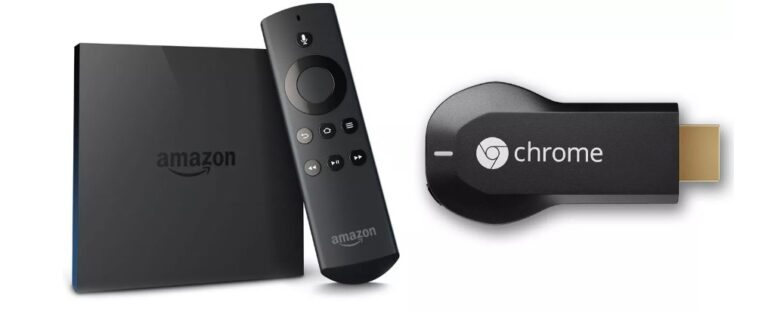
The issue is even sharper for households watching across different devices. One platform may support a smart TV app properly, while another works better through a streaming stick. One platform may handle multi-device streams smoothly, while another limits logins. These are not small details in sports viewing. They decide whether the household experience feels smooth or stressful.
What it means for viewers socially: watch parties, group chats, and shared viewing
Rights movement changes the social fabric of sports viewing. Friends no longer assume everyone has access to the same match. Some people watch on one platform, others on another, and delays between streams can spoil moments. Group chats become awkward because some viewers see goals thirty seconds earlier than others.
Even public viewing spaces feel the change. Bars and cafes have to manage different subscriptions, hardware setups, and platform requirements. When rights split across multiple services, public venues either pay more or show fewer matches.
This is one of the most overlooked consequences of sports rights moving between platforms. It changes not just how people watch, but how they watch together.
How viewers can respond without overspending or losing track
The most effective response is to stop treating sports subscriptions as permanent lifestyle utilities and start treating them like seasonal tools. Many fans do not watch a sport twelve months a year. Paying for a yearly plan out of habit can quietly waste money. Subscribing monthly during active months often matches real behavior better, especially for viewers who mainly care about regular season and playoffs.
Another practical approach is to identify a “main competition” and a “secondary competition.” The main competition determines the primary subscription. The secondary competition is handled more selectively, such as subscribing only during key weeks or major tournaments.
It also helps to build a simple schedule habit. Viewers can check where the next set of matches will appear before the week begins. This reduces last-minute scrambling and helps prevent accidental double subscriptions.
Finally, viewers benefit from keeping their device setup stable. When rights move, switching platforms is already a hassle. A reliable streaming device and consistent home internet reduce the friction when jumping between apps.
Final Thoughts
Sports rights moving between platforms is not a phase. It is the natural output of how broadcasting rights in sports are sold through repeating contract cycles, competitive bidding, and strategic splitting of packages. Football rights amplify the trend because of their global demand, and the same pattern shows up in major American sports through different packaging rules. As platforms chase subscriber retention, advertising advantage, and ecosystem growth, sports rights will keep moving, and viewers will keep feeling the effects through pricing changes, subscription stacking, and constant shifts in where games live.
For viewers, the most practical approach is to plan around real watching habits. Seasonal subscriptions often match real usage better than year-round commitment. Focusing on the competitions that matter most reduces unnecessary spending. Stable device setups reduce frustration when platforms change. Rights movement may be unavoidable, but confusion and overspending are not.